Six Lines I Wish I Had Read Out Loud Before Signing at 23
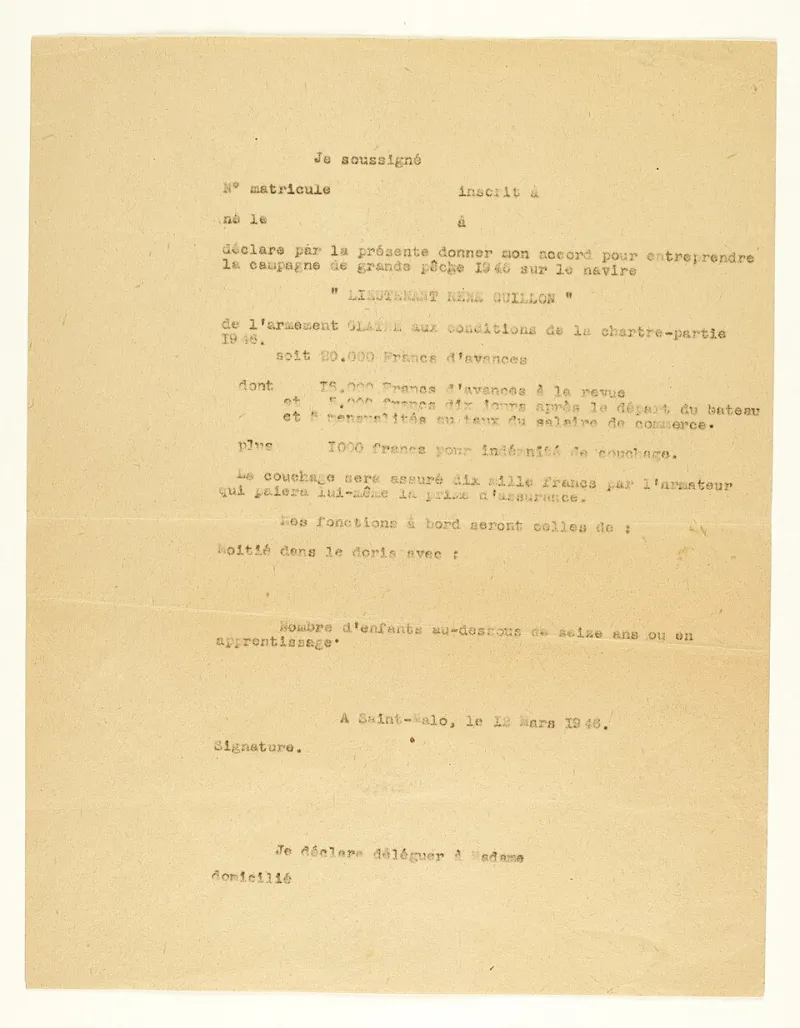
Photo: Unknown authorUnknown author, Public domain, via Wikimedia Commons
I was 23 when I signed my first real contract. I had a manager who meant well, a lawyer I could not afford, and a PDF I read on my phone in a parking lot. I remember thinking, this is it, this is the door. I did not notice that the door had a very long hallway attached to it and that the hallway was owned by somebody else.
I am not going to name names. I am not going to pretend I was a victim. I was a grown adult who wanted something badly and did not ask enough questions. But I have spent the years since learning what those questions are, and I think anyone building a brand on being themselves should hear them before they sign anything.
This is not legal advice. It is a cautionary tale with a cheat sheet attached.
1. Exclusivity That Ate My Whole Calendar
The exclusivity clause looked short. It said I could not work with competing brands in the same category. Fine, I thought. I do not have a category.
What I missed was how broadly they defined the category. It was not 'music streaming.' It was 'all audio and visual content, live and recorded, across all platforms, now known or hereafter devised.' That is not a category. That is a zip code.
Ask before you sign: What is the exact category? Who decides if a new opportunity fits? Is there a carve-out for personal projects, non-branded content, or things you were already doing before the deal? Get the definition in writing and make it narrow enough that you can still work.
2. The Morality Clause With No Definition
Every contract has one. Most of them are fine. Mine was not fine because it did not define what 'moral turpitude' meant. It just said that if I did something that damaged the brand, they could terminate and keep my content.
I am not arguing that morality clauses should not exist. I am arguing that vague ones are a leash. If the other side gets to decide what counts as damage after the fact, you are not signing a contract. You are signing a maybe.
Ask before you sign: What specific behaviors trigger this? Who makes the call? Is there a cure period? Is there an appeal? Can they terminate for a tweet, a joke, a breakup, or a photo from 2014? If the answer is 'we will know it when we see it,' walk.
3. Content Ownership and the Word 'Derivative'
I thought I owned my content because I made it. The contract thought otherwise. It said they owned all 'derivative works' created during the term. I did not know that 'derivative' could include the behind-the-scenes footage, the bloopers, the voice memos, and the six-second clips I posted to promote the thing they already owned.
This is the clause that taught me to read the schedule at the end. The schedule is where the actual deal lives.
Ask before you sign: Who owns the raw files? Who owns the edits? Who owns the posts that promote the work? What happens to your archive after the term ends? Can you use your own content in a portfolio or a reel? Get a license-back clause if you cannot get ownership.
4. Termination and the Reversion Gap
The termination clause said they could end the deal with 30 days' notice. I thought that was fair. I did not notice that my ability to get my content back was not mentioned at all.
That is the gap. They can terminate me, but I cannot necessarily terminate them. And even if I can, the content does not automatically revert to me. It just sits there, owned by a company that no longer works with me, while I try to build a career around work I cannot use.
Ask before you sign: What happens to the content on termination? Is there a reversion schedule? How long do they keep the rights? Can you buy them out? Put a date on it. 'Perpetuity' is not a date.
5. The Perpetual Name-and-Likeness Grab
This is the first one that makes me wince. The contract gave them the right to use my name, image, and likeness 'in perpetuity throughout the universe' for promotional purposes. I laughed when I read it. It sounded like a movie villain line.
It was not funny. It meant that years after the deal ended, they could still use my face to sell something I did not believe in. I did not have approval rights. I did not have a sunset. I had a signature.
Ask before you sign: Can you approve uses of your name and likeness? Is there a time limit? Is there a category limit? Can they use you to endorse something new after the term ends? Get a sunset. Get approval rights. Get it in writing that they cannot use your face for something you would not show your grandmother.
6. No Audit, No Leverage
This is the second one that still stings. The contract had a royalty clause, but no audit rights. That meant I could ask how much I was owed, and they could tell me a number, and I had no way to check it.
I am not saying anyone lied to me. I am saying that a contract without an audit right is a contract built on trust, and trust is not a business structure. If the deal involves money based on sales, streams, or impressions, you need a way to see the math.
Ask before you sign: Do you have audit rights? How often? Who pays for the audit? What records are you entitled to see? Is there a cap on how far back you can look? If they say no, ask why.
What I Do Now
I read contracts out loud now. Not because I am dramatic, but because sentences that look fine on a phone screen sound insane when you say them to a friend. I highlight every 'sole discretion.' I circle every 'perpetuity.' I ask for redlines even when I am scared it will make me look difficult.
The version of me who signed at 23 thought asking questions would cost me the deal. The version of me now knows that a deal that falls apart because you asked what 'derivative' means was not a deal. It was a trap with a nice cover page.
If you are building something on being yourself, the business side is not the boring part. It is the part that decides whether you get to keep being yourself after the paperwork is done.